
 2026.07.31
 Sektör Haberleri
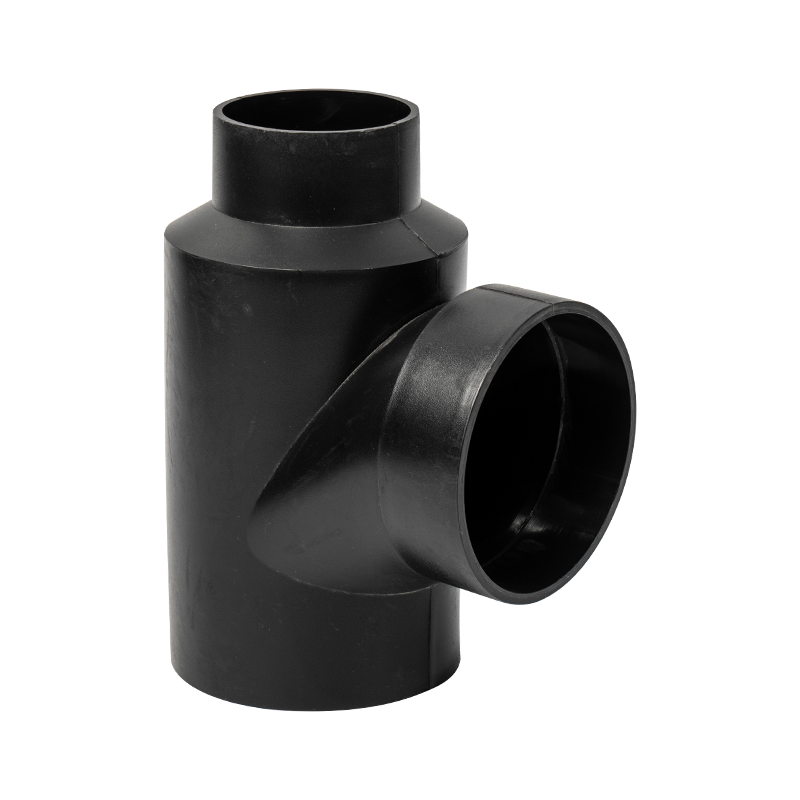
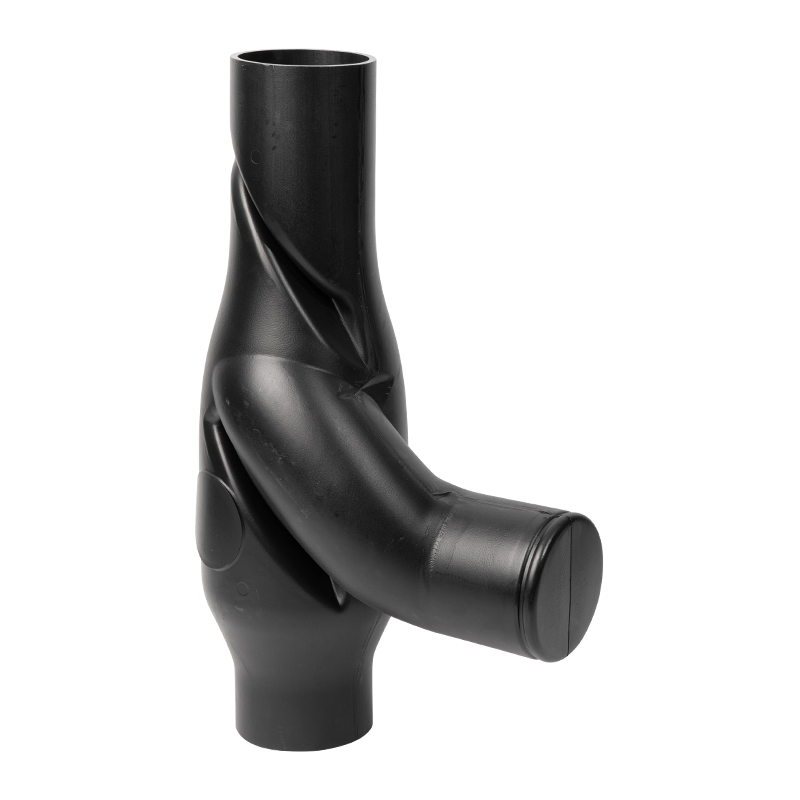
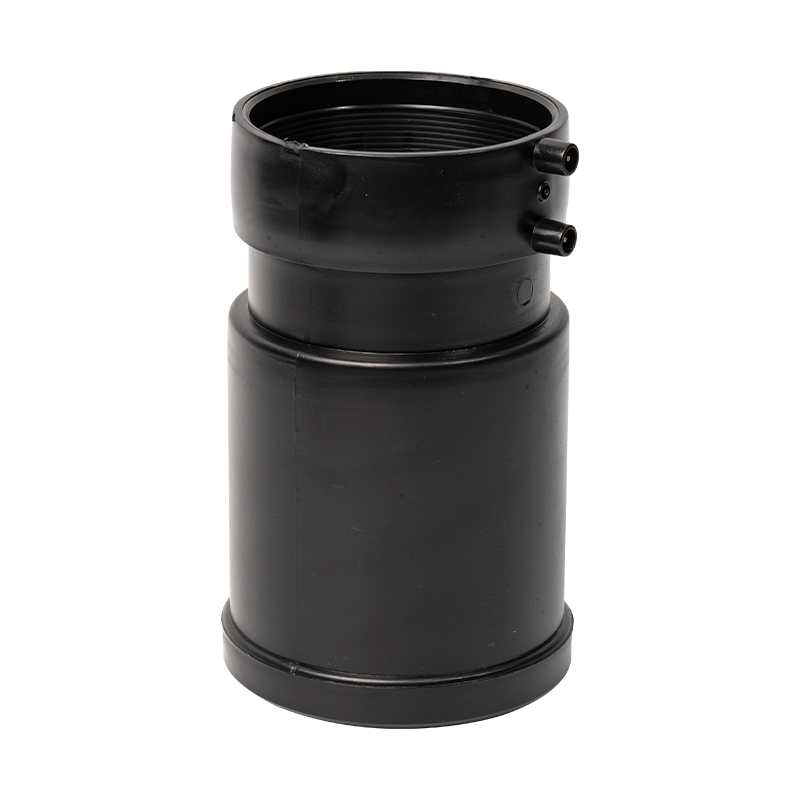
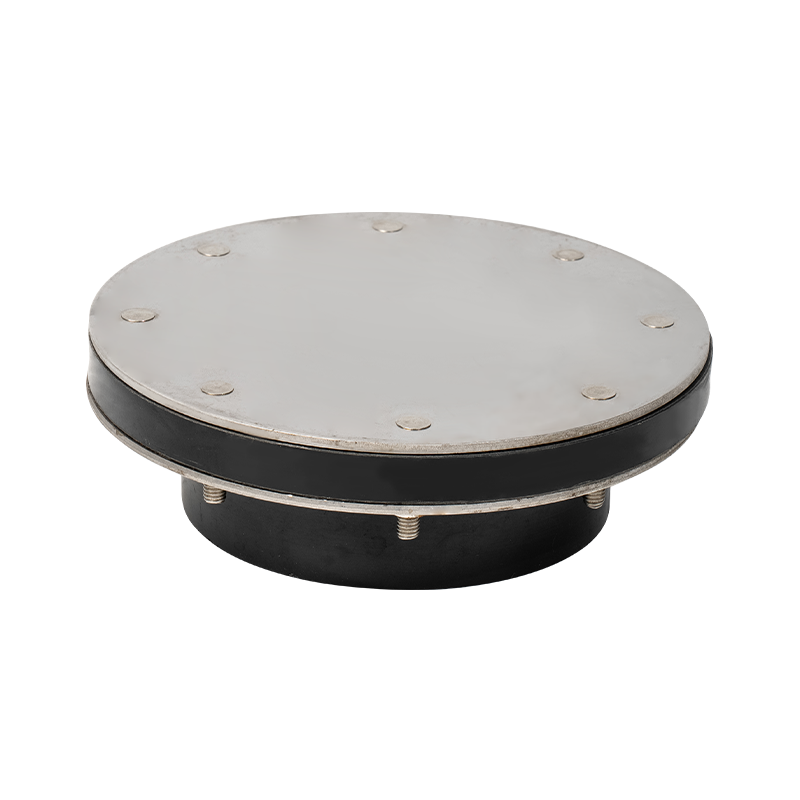
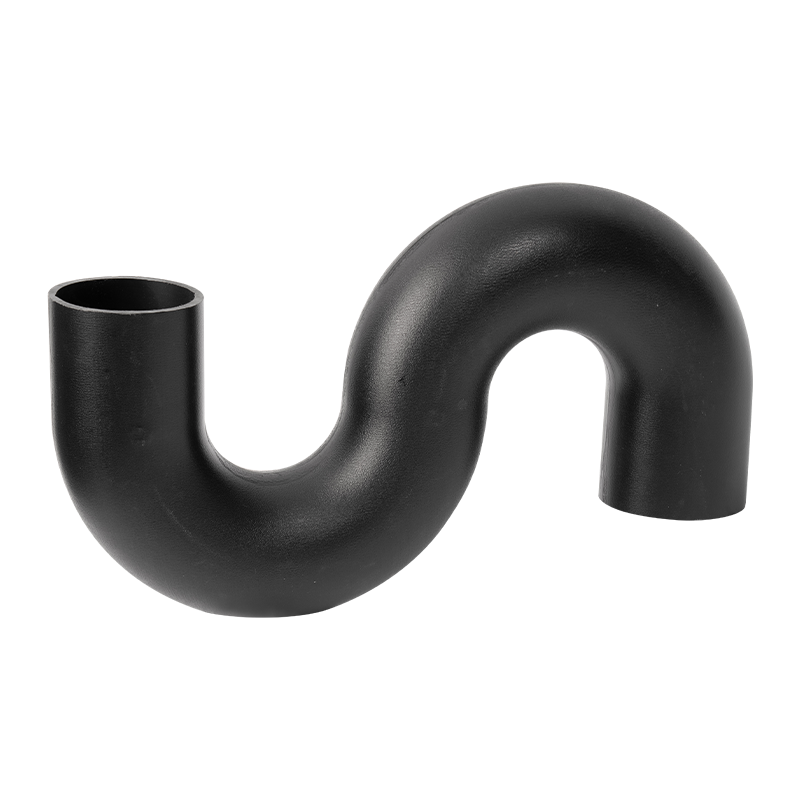
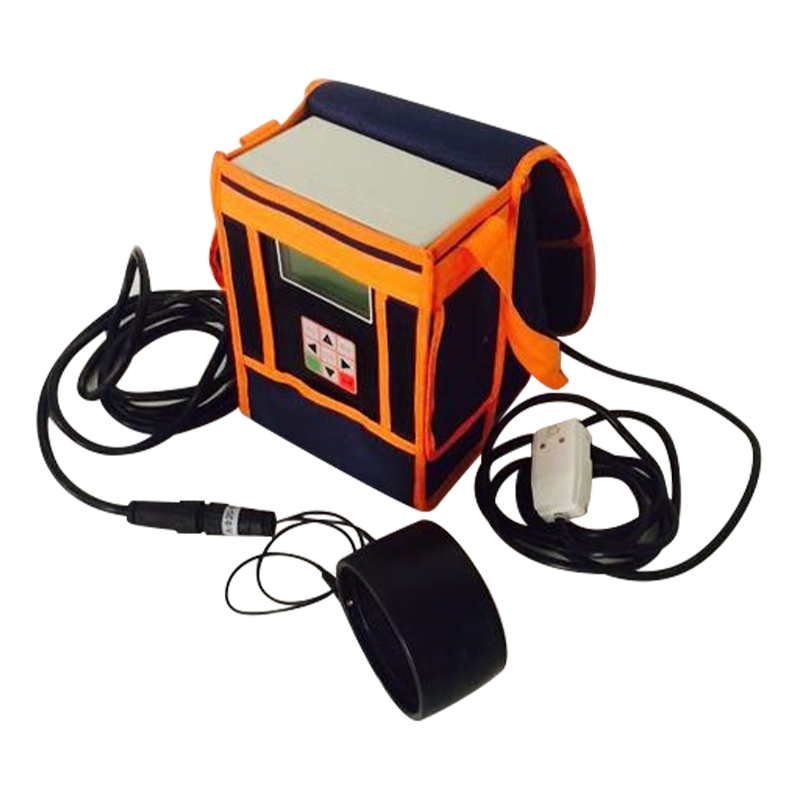
Drainage electrofusion fittings are used to join polyethylene drainage pipes in underground sewer systems, stormwater networks, industrial effluent lines, and municipal wastewater infrastructure, providing a fully fused, leak-resistant connection at branches, direction changes, and pipe transitions throughout a drainage network. Because the fusion process creates a joint as strong as the surrounding pipe wall, these fittings are especially valuable in applications where long term reliability underground matters more than ease of disassembly. A complete Drainage Electrofusion Fittings Series typically includes couplers, tees, elbows, and reducers designed to cover the full range of connection points needed across a drainage project. The sections below break down the specific applications where these fittings are most commonly used.
Municipal sewer networks rely heavily on electrofusion fittings to connect polyethylene pipe sections beneath roads, sidewalks, and residential areas, since the fused joints resist both internal pressure from wastewater flow and external stress from soil movement and traffic loading above. Municipal infrastructure standards in many regions reference fusion jointing methods specifically because they eliminate the mechanical seals that are more prone to failure over a multi-decade service life.
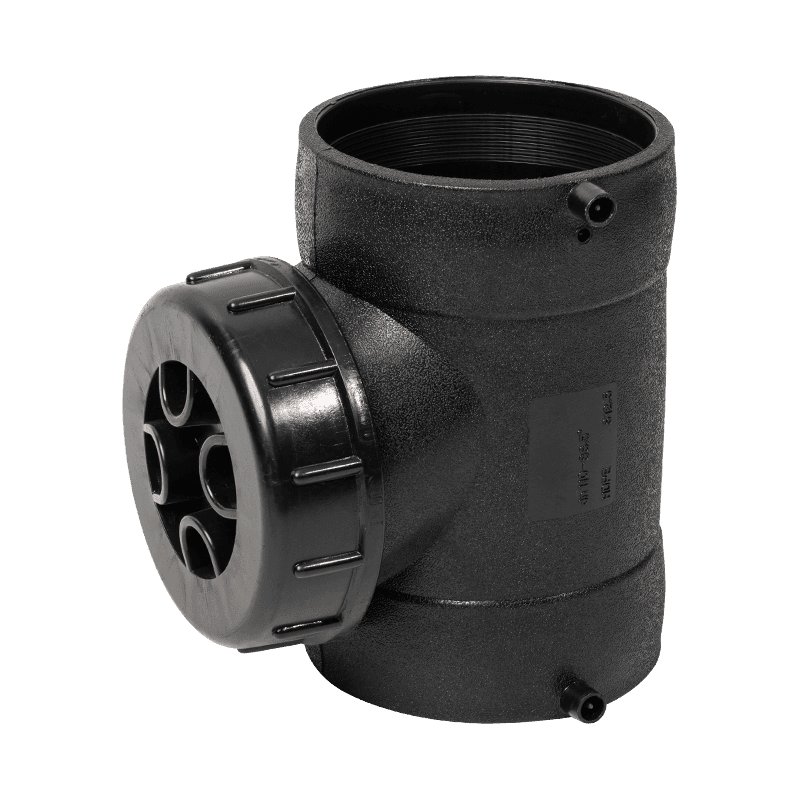
Stormwater systems experience highly variable flow conditions, from dry periods to sudden high volume surges during heavy rainfall, which places significant stress on pipe joints over time. Electrofusion fittings are commonly specified for these systems because the fused connection maintains integrity even under fluctuating pressure and flow rate conditions that can loosen mechanically sealed joints over repeated cycles.
Heavy rainfall events can cause rapid pressure changes within a drainage network, and a joint that relies on rubber gaskets or mechanical compression can gradually loosen under this repeated stress. A fused electrofusion joint does not rely on compression to maintain its seal, since the pipe and fitting have become one continuous material, which is why many stormwater infrastructure projects specify fusion jointed polyethylene pipe systems for long service life applications.
Manufacturing facilities, chemical processing plants, and industrial sites often generate effluent that must be safely routed through dedicated drainage systems, sometimes carrying corrosive or chemically aggressive waste streams. Polyethylene piping joined with electrofusion fittings offers strong chemical resistance compared with some traditional pipe materials, making it a common choice for industrial drainage where the fluid being transported may degrade certain metal or concrete piping systems over time.
| Industry | Drainage Application |
| Chemical Processing | Corrosive effluent transport to treatment areas |
| Food and Beverage Manufacturing | Wash-down water and process drainage |
| Power Generation Facilities | Cooling water discharge and site drainage |
New residential and commercial developments require extensive underground drainage infrastructure to manage groundwater, surface runoff, and connections to municipal systems, and electrofusion fittings are used extensively during this construction phase to build out branch connections, elevation changes, and directional turns across the site.
Aging drainage infrastructure often requires rehabilitation without full excavation, and electrofusion fittings play an important role in trenchless repair methods where sections of damaged pipe are cut out and replaced using couplers that fuse directly to the existing pipe ends. This approach reduces the excavation footprint compared with traditional dig-and-replace methods, which can significantly lower both project cost and disruption to surrounding roads or structures.
Landfill sites require drainage systems specifically designed to collect and route leachate, the liquid that percolates through waste material, to treatment or containment areas without leaking into surrounding soil or groundwater. Electrofusion fittings are frequently specified in these applications because the fully fused joint eliminates potential leak points along the collection network, which is critical for meeting environmental containment regulations.
Large scale agricultural operations use subsurface drainage networks to manage excess groundwater and improve soil conditions for crops, and electrofusion fittings allow these networks to be assembled with branch connections and directional fittings that route water efficiently toward collection points or outlet channels. The chemical resistance of polyethylene piping also makes it well suited to agricultural drainage, where exposure to fertilizers and soil chemicals over long periods can degrade less resistant materials.
Matching fitting type, diameter, and pressure rating to the specific demands of a project, whether municipal, industrial, or agricultural, is an important step in ensuring long term system reliability. A complete Drainage Electrofusion Fittings Series that covers a wide range of diameters and fitting configurations gives engineers and installers the flexibility to design a fully fused drainage network suited to the specific flow rates, chemical exposure, and site conditions of each individual project.
Önerilen Ürünler
Haberler ve bilgiler
2026-05-08
Hangisi daha iyi, HDPE sifon boruları mı yoksa PVC borular mı?
2026-04-30
PE sıcakta eriyen boru bağlantı parçalarının avantajları nelerdir?
2026-04-24
Montaj plakası nedir?
2026-04-17
PE sıcakta eriyen boru bağlantı parçası nedir?
2026-04-10
Hangisi daha iyi: PE sıcakta eriyen boru bağlantı parçaları mı yoksa HDPE sıcakta eriyen bağlantı parçaları mı?
 General Manager Mr.Song +86-18868665013 / Miss Zhou +86-13757458992
 International Sales Manager: Jim Yao +86-18968349877
 +86-574-62939789
 Wechat/WhatsApp: +86-18968349877
 [email protected]; [email protected]
 No. 147 Duşan, Sanqi Kasabası, Yuyao Şehri, Zhejiang Eyaleti
Telif hakkı © Ningbo Heqi Pipe Co., Ltd. All rights reserved. Toptan Drenaj Boruları Üreticisi Drenaj Parçaları Tedarikçisi



 TR
TR

 русский
 Français
 日本語
日本語 한국어
한국어 Latine
 Tiếng Việt
 বাংলা
বাংলা ไทย
ไทย عربى
عربى Hrvatski
 čeština
 Nederlands
 dansk
dansk Pilipino
 Suomalainen
 Deutsch
 Magyar
 Indonesia
 italiano
 Gaeilge
 Bahasa Melayu
 فارسی
فارسی norsk
norsk Polskie
 Português
 Română
 Español
 Slovák
 svenska
 Türk
Türk